




Stop Hémo®

STOP HÉMO® is made of calcium alginate (a biopolymer derived from marine algae). Commonly used at hospitals for its hemostatic and healing properties, CALCIUM ALGINATE is available in a family First Aid product range under the brand name STOP HÉMO®.

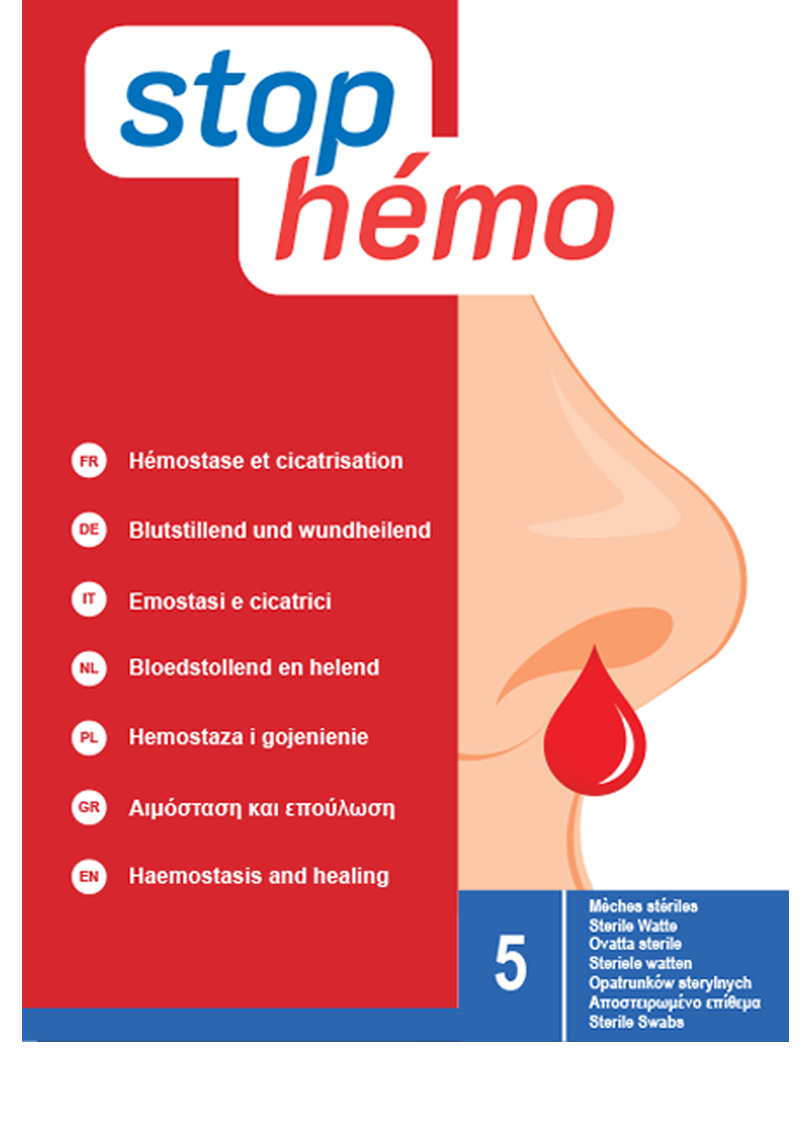
SWAB

Nosebleeds, oral bleeds, superficial oozing burns, facial wounds

ADHESIVE

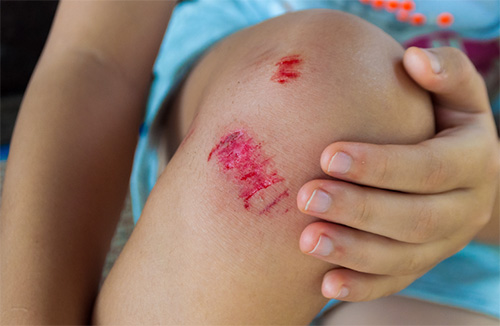
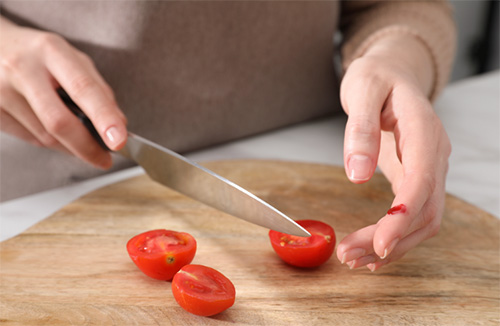
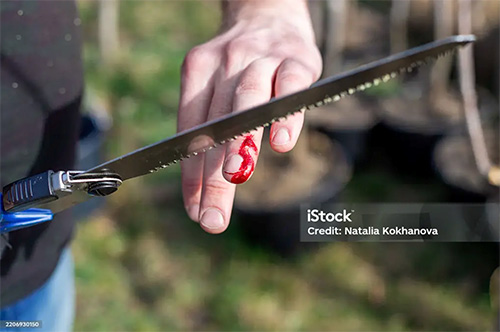
Open blisters, cuts, scratches

SPRAY

Large superficial skin wounds, hard-to-reach wounds, skin folds, oozing intertrigos.

Powder

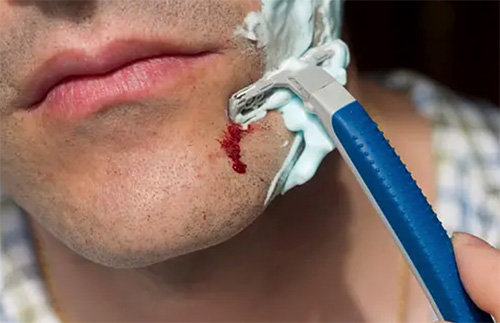
Razor cuts, long abrasions, scalp wounds, weeping diaper rashes

Suitable for patients with congenital hemostatic disorders (Osler-Weber-Rendu disease, von Willebrand disease, hemophilia) or acquired disorders (due to platelet aggregation inhibitor-, vitamin K antagonist-, or heparin- treatments).

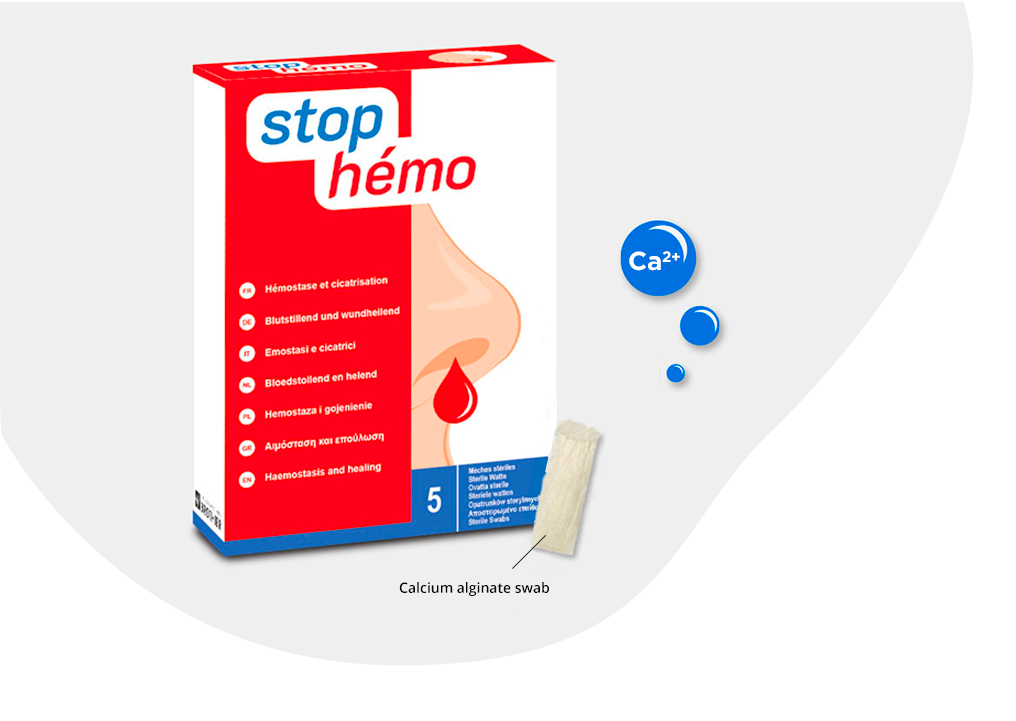
HAEMOSTATIC AND WOUND HEALING SWAB

Composition: calcium alginate swab, sterile.
Indications: nosebleeds, cutaneous bleeds (cuts, grazes), oral bleeds, superficial oozing burns, facial wounds
Packaging: 5 individual sterile swabs.

Product advantages:

  • Rapidly stops the bleed
  • Indicated for people with haemostasis disorders
  • Indicated for all ages and for pregnant women
  • Easy to use (twist, fold, insert – ready to treat!)
  • Soft (safe to use without risk of injury)
  • Painless removal thanks to the fibres’ gelling
  • Gentle to the blood clot upon removal: no re-bleeding
  • Sterile, ready-to-use swab (no cutting or handling, very hygienic)
Suitable for patients with congenital hemostatic disorders (Osler-Weber-Rendu disease, von Willebrand disease, hemophilia) or acquired disorders (due to platelet aggregation inhibitor-, vitamin K antagonist-, or heparin- treatments).

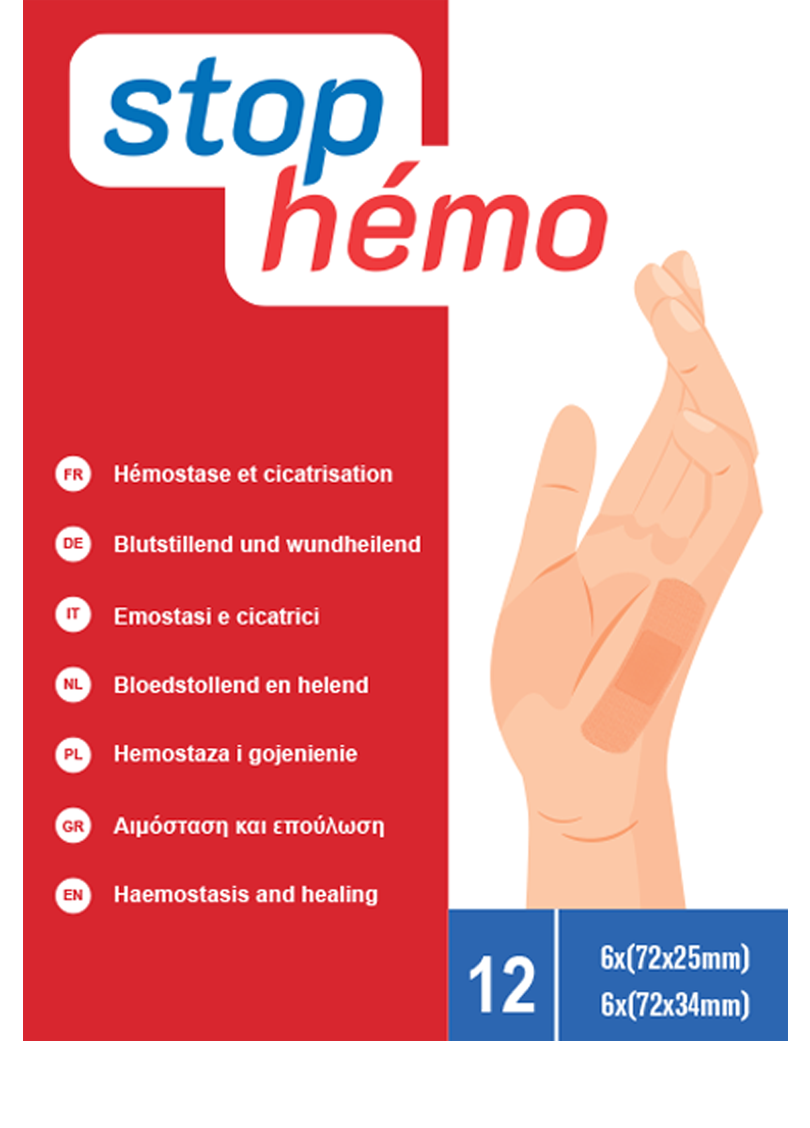
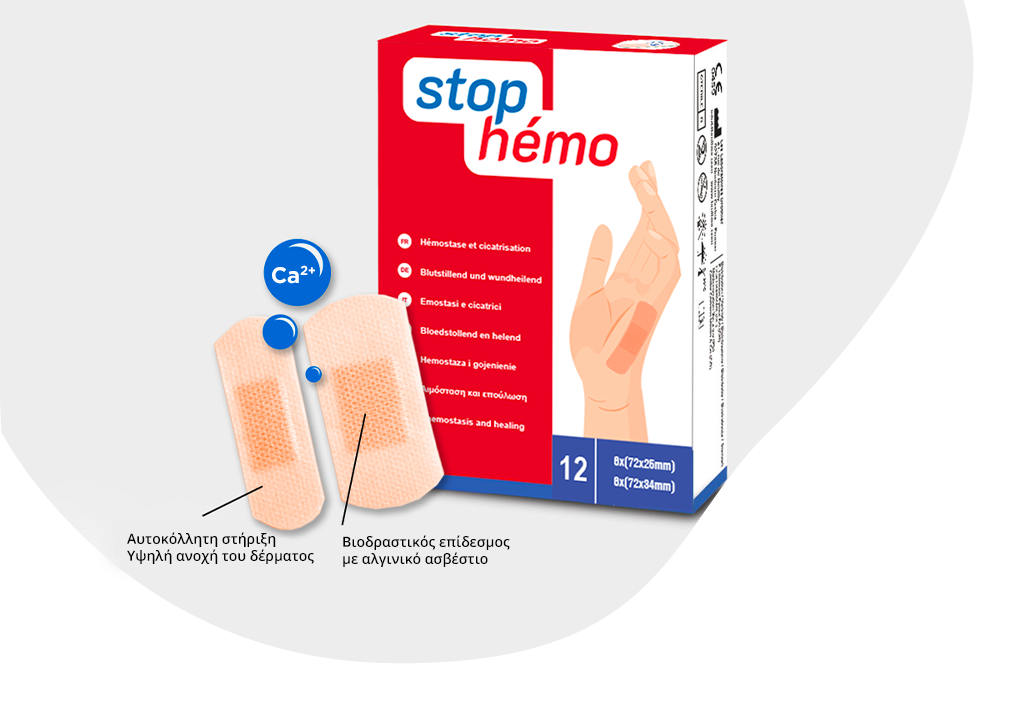
HAEMOSTATIC AND WOUND-HEALING ADHESIVE

Composition: calcium alginate dressing on adhesive backing.
Indications: cuts, open blisters, small wounds.
Packaging: 12 adhesives, 2 sizes (72×25 mm and 72×34 mm).

Product advantages:

  • Accelerates haemostasis and wound healing
  • Protects the wound
  • Indicated for people suffering with bleeding disorders and delayed wound healing
Suitable for patients with congenital hemostatic disorders (Osler-Weber-Rendu disease, von Willebrand disease, hemophilia) or acquired disorders (due to platelet aggregation inhibitor-, vitamin K antagonist-, or heparin- treatments).

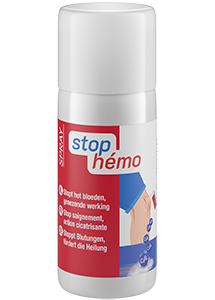
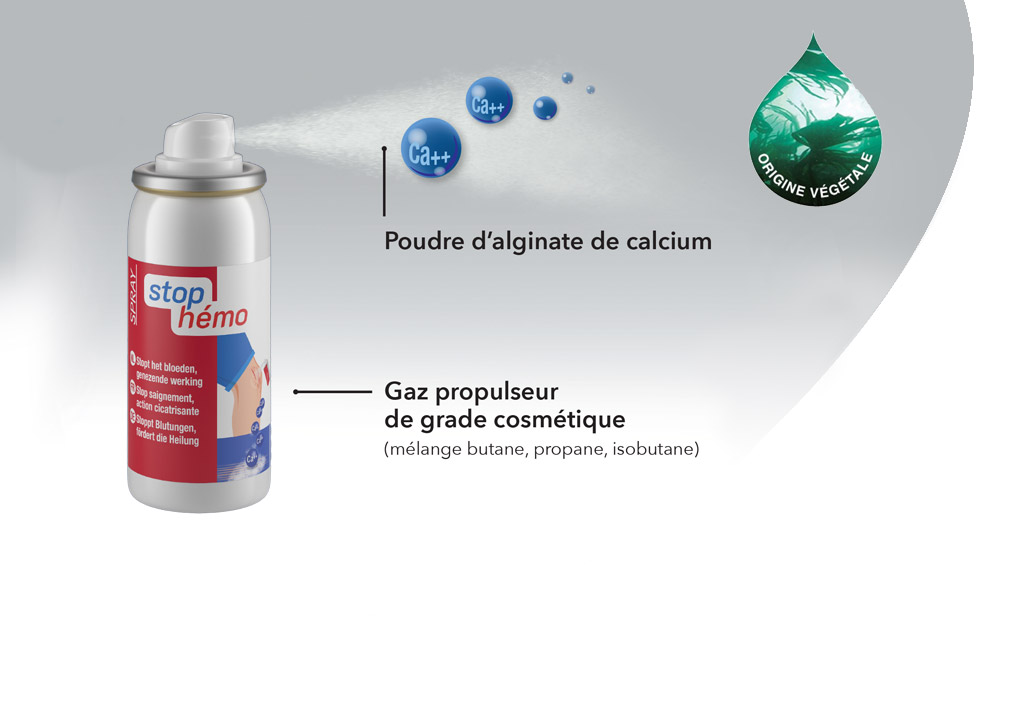
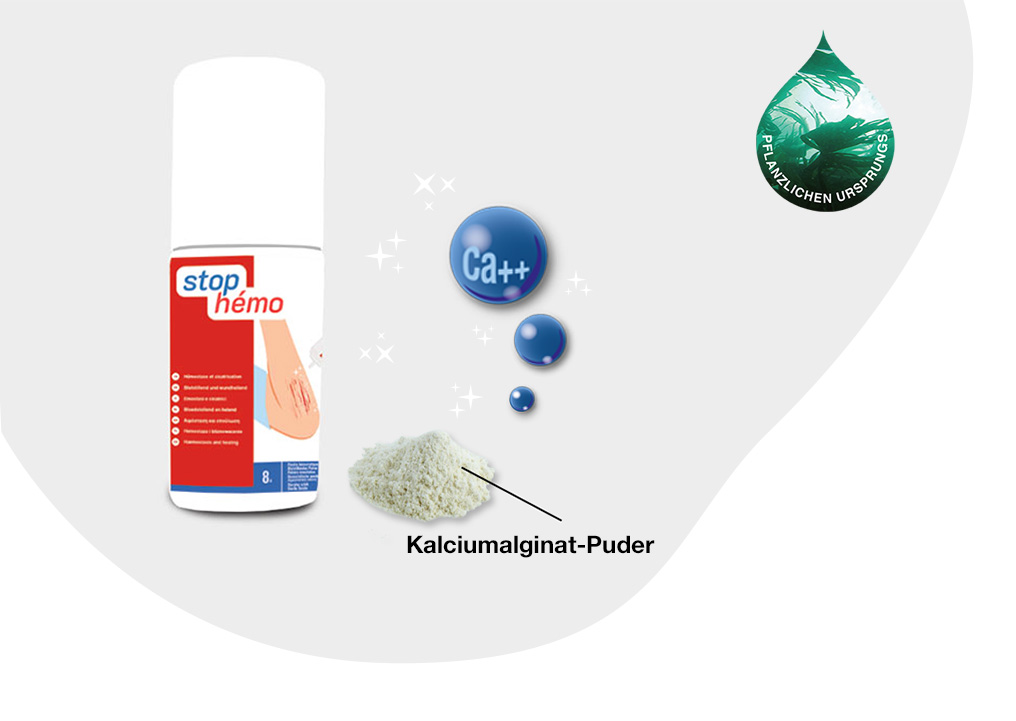
HEMOSTATIC AND HEALING POWDER SPRAY

Composition: calcium alginate powder and propellant gas.
Indications: oozing intertrigos (skin inflammations in folds or
friction areas). Superficial skin wounds (cuts, abrasions, scrapes).
Contraindications: face and mucous membranes.
Packaging: 50ml pressurized bottle.

Product advantages:

  • 360° wound care!
  • Double therapeutic action: haemostasis and healing.
  • Convenient for treating hard-to-reach areas.
  • Suitable for large superficial skin wounds.
  • Application without touching the wound, pain-free.
  • Refreshing sensation upon application.
  • Ideal for athletes and active people.
Suitable for patients with congenital hemostatic disorders (Osler-Weber-Rendu disease, von Willebrand disease, hemophilia) or acquired disorders (due to platelet aggregation inhibitor-, vitamin K antagonist-, or heparin- treatments).

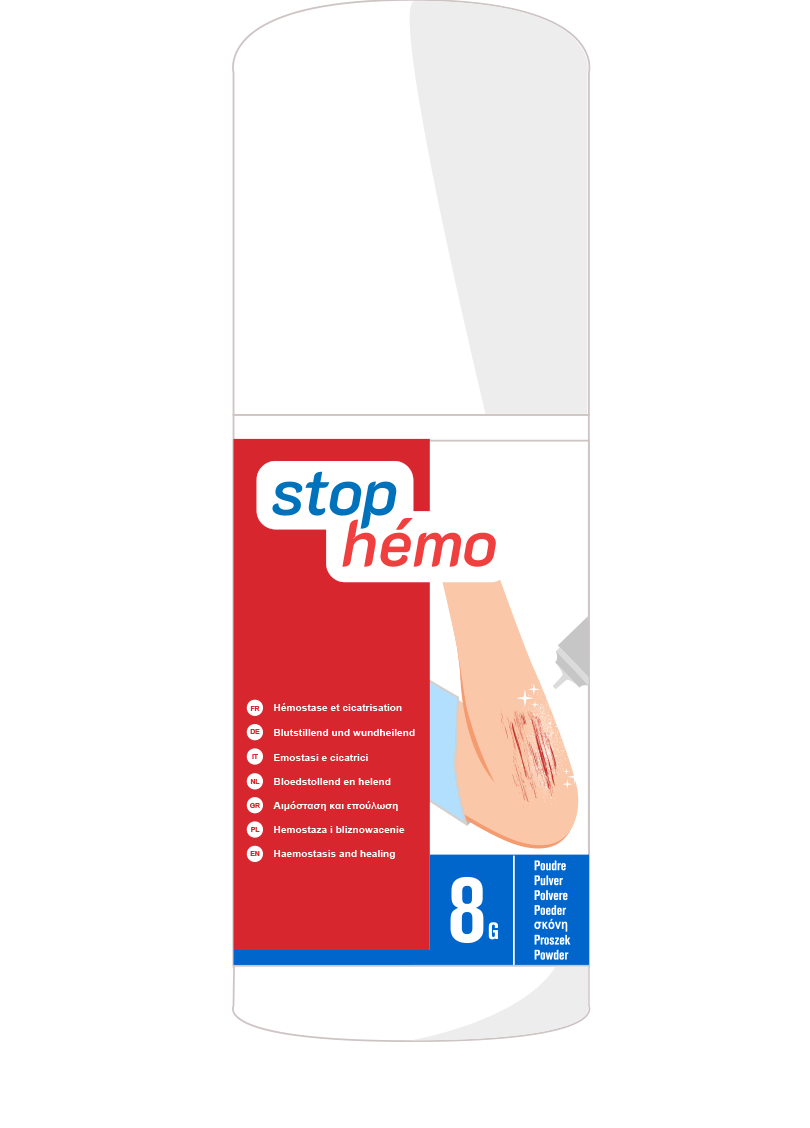
HEMOSTATIC AND WOUND-HEALING POWDER

Composition: Calcium alginate powder, sterile Indications: larger wounds (abrasions, scratches, cuts), hard-to-reach wounds (scalp, body folds, spaces between fingers), shaving cuts, weeping diaper rash Pack size: Bottle 8 g

Product benefits:

  • Rapid bleeding control
  • Indicated for people with hemostasisPhysiological process that leads to the formation of a blood clot disorders and wound-healing disorders
  • Gentle application without touching the wound; very well accepted by children
  • Practical for larger and hard-to-reach wounds
INSPIRED BY THE SEA, MADE FOR SUPERFICIAL WOUND CARE

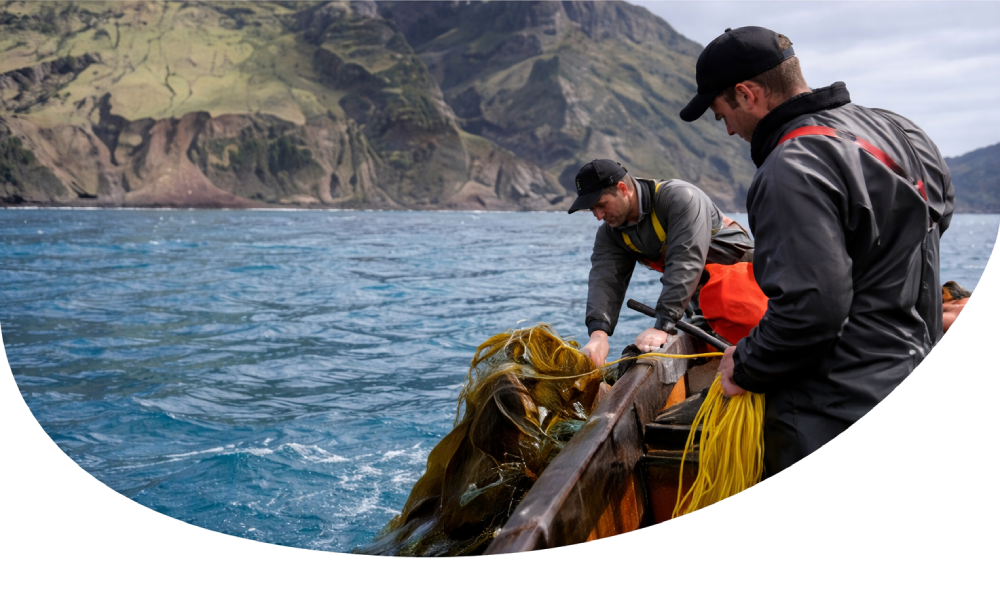
Since the dawn of time, the sea has been a source of healing. Sailors and coastal harvesters knew this well— when injured, they would turn to freshly cut algae, placing it on their wounds to stop bleeding and aid healing.

INSPIRED BY THE SEA, MADE FOR SUPERFICIAL WOUND CARE

But this simple remedy had a glaring limitation: it only worked where the sea and its algae could be found. To bring this healing power to the world, it would take a bold leap of ingenuity— someone had to imagine the impossible: capturing, preserving, and unleashing the ocean’s secret far beyond the shoreline.

The first breakthrough came from the world of science. British scientist E. Stanford identified the very substance in algae that made it so remarkable—the natural agent responsible for its haemostatic and healing powers. This discovery laid the foundation, but it was only the beginning.

The turning point came from pharmacist Pierre Brothier in France, who transformed Stanford’s scientific insight into a technological feat. In 1949, he succeeded in converting the therapeutic substance of algae into calcium alginate fibres, a form that could be manufactured, stored, and used anywhere.

For the first time, the natural healing power of algae was no longer bound to the coast. What was once a secret of sailors and harvesters became a modern medical innovation, bringing the sea’s ancient magic to patients everywhere.

FREQUENTLY ASKED QUESTIONS

What is the meaning of Stop Hémo® ?

Hemo stands for Hemorrhage (loss of blood from a damaged blood vessel).

What are the advantages of the Stop Hémo® product line ?

  • Different presentations adapted to different types of wounds and their locations.
  • A plant-based origin: calcium alginate is derived from a specific species of brown seaweed called Laminaria hyperborea.
  • Double therapeutic benefit: hemostasis AND healing.
  • Gel formation of the product upon contact with blood, which:
    • prevents the product from sticking to the wound
    • avoids rebleeding upon removal
    • allows painless removal

Is Stop Hémo® suitable for everyone ?

Stop Hémo® can be used by people of all ages*. The product range is particularly well suited for:

  • individuals with congenital or acquired bleeding disorders
  • people with diabetes, malnutrition, or older adults who may experience delayed wound healing
  • children, pregnant women, and elderly individuals

*Stop Hémo® spray is indicated for use in children from 1 year of age.

Are there any contraindications or side effects associated with the use of Stop Hémo® ?

There are currently no known contraindications associated with Stop Hémo®. However, it is important to always read and follow the instructions for use.

Do not use Stop Hémo® in combination with alkaline solutions (such as sodium hypochlorite) or products containing chlorhexidine, benzalkonium chloride, or copper salts. If such products have been applied to the wound, rinse thoroughly with a saline solution (0.9% NaCl) before using Stop Hémo®.

Are nosebleeds a sign of anything serious ?

Nosebleeds are not usually a sign of anything serious. They are common, particularly in children, and most can be easily treated at home.

If bleeding is chronic, severe or you have other symptoms (like vomiting, unusual paleness, trouble breathing etc.), quickly consult a doctor.

Can heat cause a nosebleed ?

Yes, hot weather or dry air (due to heated indoors, cold dry air outdoors etc.) can dry out the nasal mucosa (lining), making it more prone to bleeding.

Can stress cause a nosebleed ?

Stress may contribute indirectly by increasing blood pressure, which can make bleeding more likely in some people.

Which medications can increase the risk of nosebleeds ?

Certain medications, such as blood thinners (anticoagulants), aspirin, anti-inflammatory drugs, hay fever drugs can increase the risk of bleeding.

Check the leaflet of your medication, section side effects.

How long does a nosebleed usually last ?

Most nosebleeds last up to 15 minutes. The bleeding may be longer under certain medical treatments (such as anticoagulants) or medical conditions (such as the HHT disease).

The use of Stop Hémo® hemostatic swabs stops the bleeding faster and is suitable for all, including patients with bleeding disorders.

Should I tilt my head back or forward during a nosebleed ?

You should lean your head slightly forward to prevent blood from flowing down the throat. Swallowing blood may cause nausea and vomiting. Gently blow your nose to evacuate blood clots.

Can I use cotton to stop a nosebleed?

Although tissues and cottons are often used to stop nosebleeds, they are not ideal, as they do not have hemostatic properties, may dry out, stick to the newly formed clot, and cause rebleeding when removed.

Stop Hémo® swab is made of calcium alginate fibers (derived from algae) that transform into a gel when they come into contact with sodium-containing fluids such as blood or saline solution.

Thus, Stop Hémo® swab not only stops the bleeding through its hemostatic properties, but its fibers also gel, preventing them from sticking to newly formed clots and causing rebleeding.

What treatments are effective for nosebleeds ?

Most nosebleeds can be treated at home by applying pressure on the bleeding nostril.

In some cases, medical consultation is necessary. Your physician will treat your nosebleed according to the cause of the bleeding: nasal packing, cauterization, prescription adjustment, foreign body removal, surgery etc.

Why does my nose bleed at night ?

Nighttime nosebleeds can be caused by dry air, nasal irritation, or underlying conditions such as allergies.

How can I prevent infection after a nosebleed ?

Avoid touching or irritating the nose, keep the area clean, and follow proper hygiene practices.

Should I disinfect a wound every time ?

Cleaning a wound is important, but excessive use of disinfectants may delay healing. Wash the wound with water and soap or saline solution (0.9% Sodium Chloride) before applying a hemostatic and healing solution.

What is the best product to help a wound heal ?

Products that protect the wound, maintain a moist environment, and support natural healing are generally recommended.

Stop Hémo® is made of calcium alginate, a biopolymer derived from algae. When in contact with body fluids, Stop Hémo® maintains a moist wound environment and supports the natural process of healing.

How can you tell if a wound is infected ?

Signs of infection may include increasing pain, redness, swelling, or warmth around the area.
You may also notice pus or fluid. In some cases, a fever or general feeling of illness can occur.
If you experience any of these symptoms, it is recommended to seek medical advice.

Why is a wound not healing ?

Delayed wound healing can be caused by several factors, including poor blood circulation, infection, diabetes, or nutritional deficiencies. Age and certain underlying medical conditions may also play a role.
Lifestyle factors such as smoking, poor hygiene, or limited mobility can further slow down the healing process. See a doctor if the wound does not heal.

Brothier ist auf Blutstillung und Wundheilung spezialisiert. Brothier nutzt das enorme Potenzial der Biopolymere aus Meerespflanzen und entwickelt und produziert Kalziumalginat-Pflaster, die den Erste-Hilfe-Bedürfnissen und den Anliegen der Ärzte und ihrer Patienten entsprechen.